When caring deeply makes daily life difficult

By Olena Baeva
Published 6 November 2026
At lunch, someone shows Rowan a coat they bought for £25. Rowan likes it. Then they remember a report they read the night before about garment workers who had to stay late to meet a production target, without knowing whether they would be paid for the extra hours.
Rowan has no idea where this particular coat was made. They know that a low price alone tells them very little. Still, while everyone else is discussing whether to order coffee, Rowan is thinking about what it would be like to reach the end of a shift and find that someone else gets to decide when you go home.
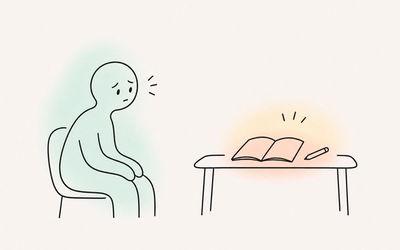
For some people, an experience like this is difficult to put down. It can change what they pay attention to, what they feel able to take part in, and what they come to value. It can also make an ordinary afternoon surprisingly hard to get through.
Some people use the word hyperempathy for the intensity with which they are affected by what someone else is going through. For Rowan, even imagining the end of that worker’s shift is enough to make the lunch conversation difficult to follow. Later, a different question stays with them. How much choice did the worker have, and who benefited from that?
Many readers may recognise aspects of this in the idea of being a highly sensitive person (HSP), which also encompasses sensitivity to sensory detail and overstimulation.
The harm is elsewhere. The coat is here.
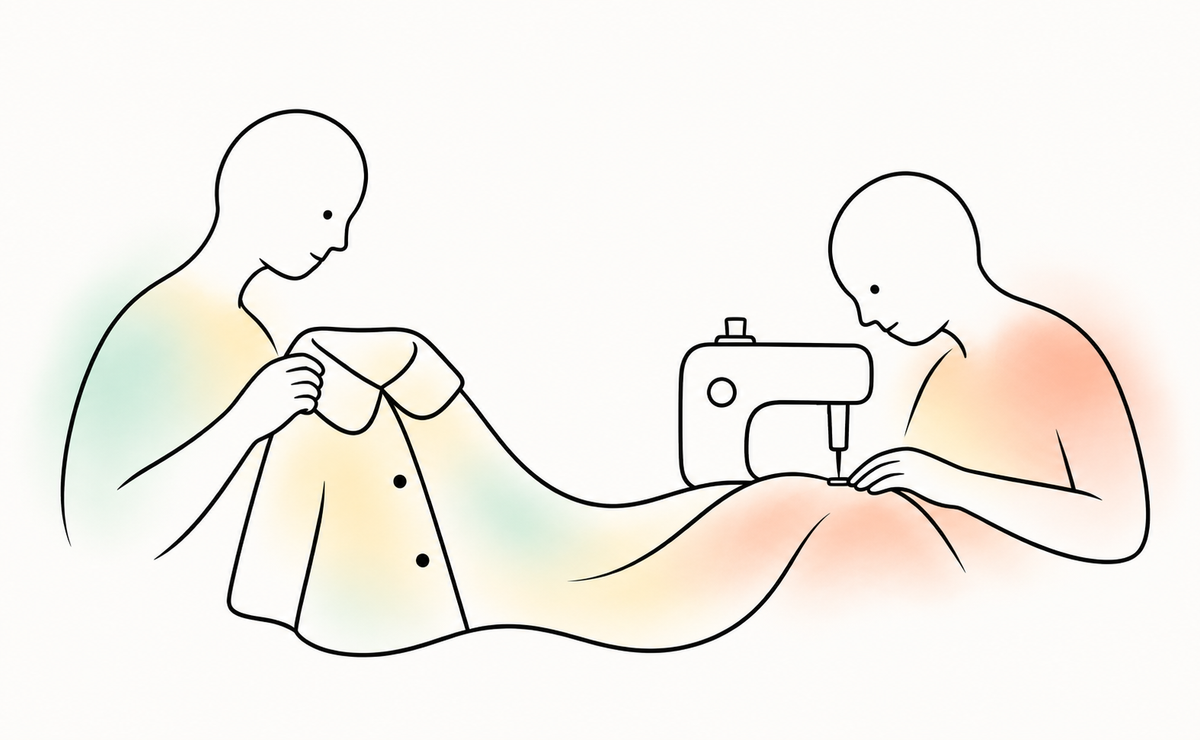
Think about what you can learn from a coat in a shop. You can feel whether the lining is comfortable, check whether it fits and see if you can afford it. It takes much more work to find out who sewed it, what they were paid or whether they could safely refuse overtime.
That difference matters. A shopper may experience the purchase as a solution to a problem: they need a warm coat and have £25. A person who has just read about sweatshop conditions may experience the same purchase as a question about whose choices were restricted so that someone else could have an affordable coat.
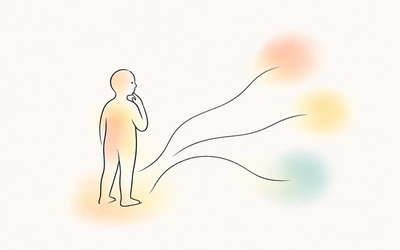
When Rowan is distressed by the workers’ treatment, that is closest to what psychologists call observer sensitivity, a responsiveness to unfairness affecting someone else. If Rowan wonders whether their own convenience depends on someone else being underpaid, beneficiary sensitivity may also come into play. Victim sensitivity concerns unfairness directed at oneself. If Rowan had experienced unpaid overtime, the report might bring that experience back as well. And if Rowan were responsible for purchasing at work and realised they had pressed a supplier to meet an unreasonable deadline, concern about their own role in causing harm would be closer to perpetrator sensitivity. The Justice Sensitivity Inventory
That evening Rowan tries to replace a worn pair of work trousers. An hour later, they have six tabs open, no trousers and no clear answer about who made any of them. They close the browser and forget to make dinner. The next day, when their friend sends them a link to the coat, Rowan leaves the message unanswered. They have no idea how to explain what has happened to their afternoon without making their friend feel accused.
When the people affected are in the future
On a mild November day, Rowan hears someone say how lovely it is to still be able to sit outside. They feel the pleasure of it too. Later, they read about how much hotter summers could become over the coming decades. They find themselves wondering how children growing up now will manage in homes and schools built for a different climate, and which families will be able to afford to keep cool.
Climate change is already affecting people. Its consequences are unevenly distributed, and the choices made today will also affect people who have yet to be born. For someone whose own home is comfortable and whose immediate plans are undisturbed, those consequences may feel distant. For Rowan, thinking about who will live with them can be enough to provoke grief and anger in the present. IPCC
Some of that response resembles observer sensitivity. Rowan is concerned with who bears the costs and who gets a say in decisions that shape their lives. There may also be fear for their own future, or discomfort about benefiting from arrangements whose costs fall elsewhere. Those feelings can coexist. Fear about a hotter future becomes a question of justice when Rowan starts asking why some people will have fewer ways to protect themselves.
The following morning, Rowan opens an email they need to answer before nine. They read it three times and still cannot keep the request in mind long enough to reply. Part of their attention is occupied by what they read the night before. By the time they get to work, they have missed breakfast and are already tired. They understand that the email matters. They are having difficulty moving their attention to it.
How a response becomes part of who you are
Kazimierz Dąbrowski described emotional overexcitability as a form of intense responsiveness. In his theory of positive disintegration, emotional conflict could contribute to development by prompting someone to question assumptions they had inherited and decide which values they wanted to live by. This is one way of interpreting Rowan’s experience. Dąbrowski’s writing on developmental potential
Rowan used to think of fairness mainly in terms of how they treated people they knew. The garment workers’ story makes them wonder what fairness requires in a relationship they can barely see, between the person who makes something and the person who buys it. Thinking about climate change raises a related question about people they will never meet. Rowan begins to take more interest in what their workplace buys and how local decisions about housing are made. Fairness is becoming a commitment that shapes where they put their time.
The change in values can be welcome while the disruption is hard to live with. Rowan can decide what they want to do about a particular concern and still lie awake thinking about it. When distress repeatedly interferes with sleep, concentration, eating or relationships, that interference deserves attention in its own right.
A conversation with Rowan might begin by asking what part of the experience keeps returning. Is it the workers’ lack of choice? The sense of benefiting from it? The fear that the people making decisions can pass the consequences on to someone else? Once Rowan can name what is affecting them, it may become easier to identify a response they can sustain. That could mean asking how a workplace contract is awarded, joining a local effort to make homes safer in hot weather, or deciding when they have enough capacity to read another report.
And sometimes the next thing Rowan needs is supper. They may still be thinking about the workers while they make it. They can sit down and eat while the question is still open.
Rowan is fictional.