When nobody is marking your work

By Olena Baeva
Published 17 November 2026
How school and family can shape what we trust ourselves to decide as adults
“I was a good student. Why can’t I decide what to do with my life?”
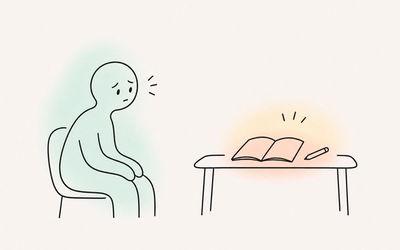
It’s a reasonable question. At school, you knew how to work hard, meet a deadline and improve when someone showed you where you’d gone wrong. Now people ask what you want to do, and you can give them a list of things you’d probably be good at. Choosing one is another matter.
School gave you plenty of practice answering “How do I do this well?” You may have had less practice answering “Is this what I want to spend my time doing?”
What did you get to practise?
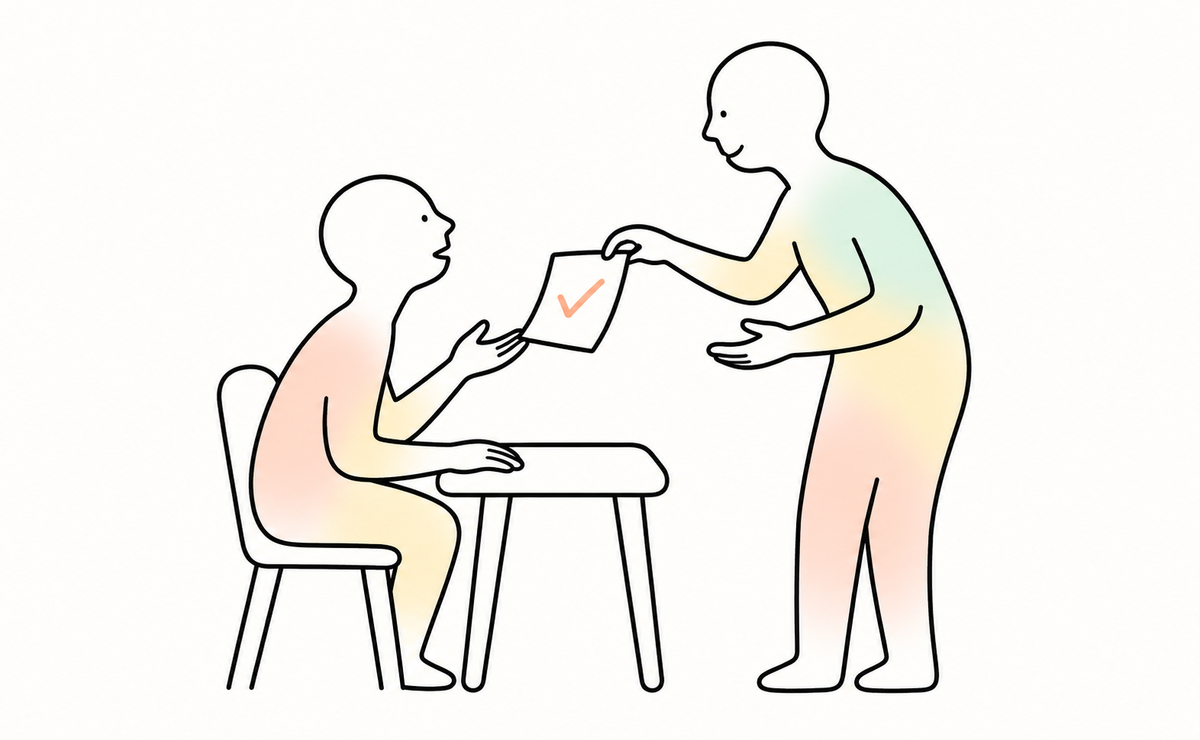
Imagine two students who hand in equally good work. One has a clear brief, can choose how to approach it and knows the teacher will take their questions seriously. The other has learnt to work out exactly what the teacher wants and feels a wave of relief when the mark comes back. The same grade can hide quite different experiences.
Clear expectations and useful feedback can help children develop their own judgement. Research in secondary school classrooms suggests that structure and support for autonomy can work together. A teacher can explain what a good piece of work needs and give students meaningful choices about how to go about it. At home, a parent can help a child think through a decision and give them room to choose differently. parkvillecollege.squarespace.com
The stakes change when a child experiences approval or warmth as something they have to earn by getting things right. Researchers call this parental conditional regard. A meta-analysis linked it with self-worth that depends more heavily on meeting expectations and with acting under internal pressure. A study of ninth-grade students also found that conditional approval was associated with a greater focus on grades, while autonomy support was associated with a greater sense of choice and engagement based on interest. onlinelibrary.wiley.com
That word relief matters. A good result can mean
“I enjoyed doing that and I’m pleased with what I made.”
It can also mean
“I’m out of trouble. I can stop worrying for now.”
A child can feel both. If staying in good standing takes a lot of attention, there may be little left for noticing whether they enjoyed the work or would choose to do it again.
Years later, the former good student may look at classmates who often got into trouble and wonder how they managed to choose a course or start a job. Perhaps some had more experience making choices adults disagreed with and finding out what happened next. We know little about those classmates from where they ended up. The more revealing question is what the good student had room to try. Could I follow an interest I wasn’t good at yet? Could I change my mind without feeling I’d failed?
When you need someone to say it was OK
Imagine you planned to finish something this evening. Halfway through, you realised you were exhausted and stopped. You can explain why you stopped. Yet an hour later you’re still thinking about it, and you want to call a parent to hear them say,
“Yes, you were tired. It was OK to leave it.”
That call might give you comfort. It might help you put a disappointing day in perspective. Sometimes it also does something more specific. Until someone agrees, your own tiredness feels like insufficient grounds for the decision you already made.
This is where needing reassurance can become a problem in adult life. Before a decision, you might ask several people what they think and end up feeling less able to choose. After a decision, you might get the answer you hoped for, feel better briefly, then find yourself asking again when the doubt returns. Meanwhile, the evening you set aside to rest goes into reviewing whether you were entitled to rest.
Research on reassurance-seeking in OCD and health anxiety distinguishes asking for help to cope with distress from asking someone to settle a feared doubt. In one study, people with OCD reported short-term relief after reassurance, followed by the return of anxiety. Those studies help explain how the loop can work. The idea that years of waiting for an adult’s verdict might contribute to a similar pattern later in life is a possibility to explore with the person. link.springer.com
When a parent’s opinion becomes one opinion
Part of growing into an adult relationship with a parent is finding out what happens when you disagree. Can you say,
“I know you’d have carried on. I thought stopping was sensible”?
Can you come back the next day and ask for help with something else? A parent’s response matters here. It’s easier to give your own judgement some weight when disagreement can happen without a withdrawal of warmth.
Research on adolescent autonomy distinguishes making a decision independently from feeling that you willingly endorse it. That distinction matters in adult life too. You may need someone to talk through the options or help with the practical steps. You can receive a great deal of help and still have a say in what happens. pubmed.ncbi.nlm.nih.gov
When I hear myself say “I should”
“I should do this”
is a good moment to ask,
“Who wants this?”
I might hear a parent’s voice, remember what teachers praised, or realise I’m trying to avoid disappointing someone. I might also find a commitment I’ve thought about and still choose to keep. pubmed.ncbi.nlm.nih.gov
“I want this”
is worth listening to as well. What am I looking forward to? Doing the thing itself? Hearing that I’ve done well? Finally being able to stop worrying that I’ve chosen badly?
On the evening I stopped because I was tired, I might still call my parent. I might want sympathy, company or their honest view. And if they say,
“I think you should have finished,”
I can ask myself one more question.
Now that I know what you think, what do I think?